
T: +86-177-2730-8850
E: yashe2002@163.com
E: yashe2002@163.com
Third industrial estate.caobian guangfo road dali nanhai district foshan Guangdong North Road No.4


Views: 188 Author: Site Editor Publish Time: 2025-08-06 Origin: Site


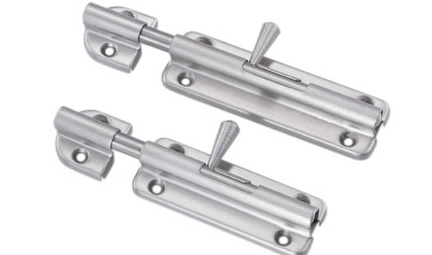
When it comes to the security of your home or business, the quality of entrance door hardware is paramount. After all, your door is the first line of defense against intruders and environmental elements. Whether it's a residential home or a commercial establishment, having high-quality, secure hardware is essential to ensure the protection of your property and loved ones.
Wooden doors, with their aesthetic appeal and functional benefits, are a popular choice for entrances. However, without the right hardware, they may not provide the level of security needed for critical spaces. Entrance door hardware, including locking mechanisms, hinges, and handles, plays an essential role in ensuring long-lasting security and performance.
The locking mechanism is undoubtedly the most critical component of entrance door hardware, as it is directly responsible for securing your door against unauthorized entry. There are various types of locks available, each offering different levels of security depending on the specific needs of the building. Let's take a closer look at the most common locking mechanisms for wooden entrance doors:
Deadbolt locks are one of the most popular and secure locking options for wooden doors. These locks operate by inserting a solid metal bolt into the door frame, making it significantly more difficult to force open compared to standard spring-latch locks. Deadbolts are available in single-cylinder and double-cylinder varieties. Single-cylinder deadbolts are operated by a key from the outside and a thumb-turn on the inside, while double-cylinder deadbolts require a key to operate from both sides of the door, offering enhanced security in areas where windows are close to the door.
With the advancement of technology, smart locks have gained popularity for residential and commercial use. These locks offer keyless entry, allowing users to unlock the door using a smartphone, biometric recognition, or a keypad entry system. Smart locks often come with enhanced security features, such as remote access control, activity logs, and alarms, alerting you if an unauthorized attempt is made to enter. They offer convenience while maintaining high levels of security, making them an excellent option for modern entrances.
Mortise locks are a traditional choice for wooden entrance doors, particularly in commercial buildings. These locks are installed into a pocket (or mortise) in the door, making them highly secure. Mortise locks often come with additional components, such as deadbolts and latch mechanisms, offering a combination of security features. This multi-point security system makes it harder for an intruder to bypass the lock.
For a more modern solution, electronic locks, which include keypad and card access systems, provide excellent security. These locks use codes, cards, or key fobs to unlock doors, eliminating the need for physical keys. Electronic locks can also be integrated with security systems, providing real-time alerts and access management.
Each type of lock offers varying levels of security based on your needs. Deadbolt locks are perfect for ensuring basic security, while smart locks and electronic systems offer advanced features for high-tech protection. Choosing the right locking mechanism for your entrance door is critical to creating a secure and long-lasting solution.
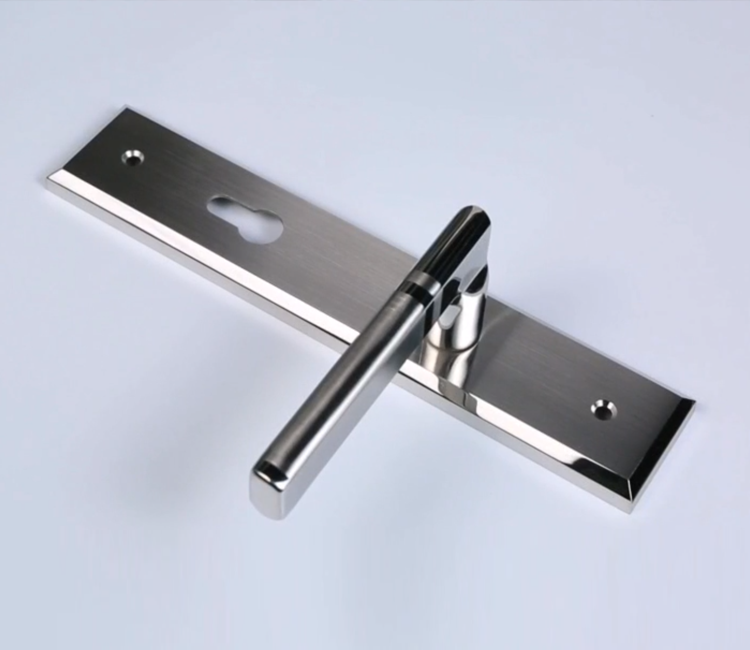
While the locking mechanism is crucial for security, the strength and durability of hinges and handles are also essential in preventing unauthorized access. Reinforced hinges and handles ensure that your door operates smoothly while providing added protection against break-ins.
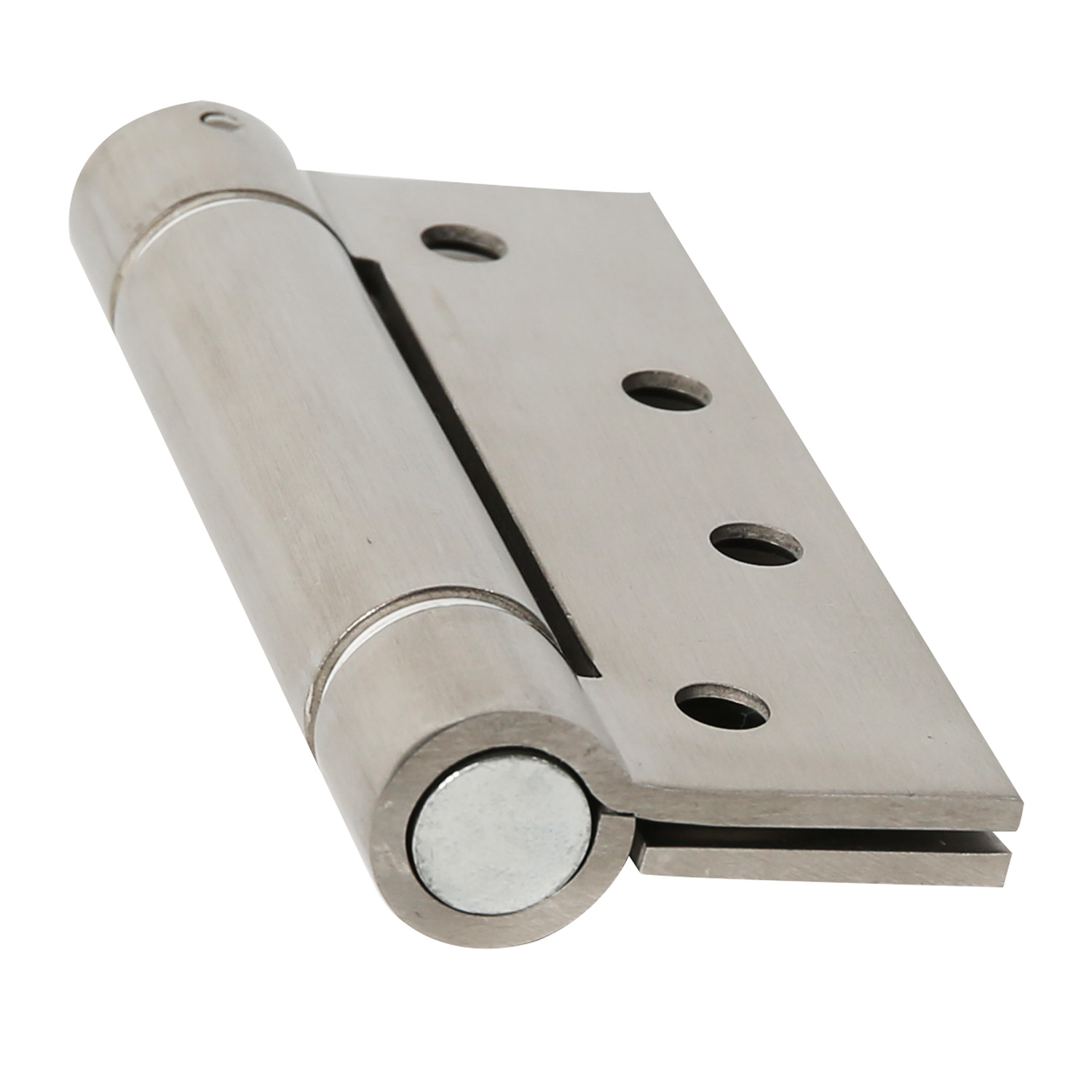
The hinges are an often overlooked part of entrance door hardware, but they are integral to door security. Standard hinges are vulnerable to wear and tear, which could eventually lead to door sagging or, worse, allow the door to be easily removed from its frame. To address this, reinforced hinges are designed to withstand greater force and prevent easy tampering.
Reinforced steel hinges are highly effective in securing entrance doors, as they are less likely to bend or break under pressure. These hinges feature heavy-duty construction and are typically equipped with longer pins, making them more resistant to break-ins. For added security, non-removable pin hinges can be used, preventing intruders from removing the hinge pins even if they manage to gain access to the hinge side of the door.
The door handle is another key component that plays a role in the door's overall security. Handles should be sturdy and resistant to wear, providing a firm grip for opening and closing the door. High-quality, heavy-duty handles made from materials like stainless steel or brass are ideal for securing entrance doors. These handles are durable and less susceptible to breaking or being damaged during an attempted break-in.
Handles with built-in security features, such as locking mechanisms or keypads, provide an added layer of protection. Reinforced handles are especially important for doors that are used frequently or in high-traffic areas, as they can withstand the strain of regular use without compromising security.
When selecting entrance door hardware, it's essential to ensure that the hardware meets industry safety standards and certifications. These certifications validate that the hardware is reliable, durable, and effective at providing the level of security necessary for protecting your property.
The American National Standards Institute (ANSI) and the Builders Hardware Manufacturers Association (BHMA) provide certifications for door hardware products based on their performance. ANSI/BHMA standards ensure that the hardware, including locks, hinges, and handles, has been tested to meet specific security, durability, and safety requirements. Products that carry ANSI/BHMA certifications are considered trustworthy and reliable in terms of performance.
In addition to security, fire safety is an important consideration for entrance door hardware. UL (Underwriters Laboratories) fire-rated hardware ensures that the products meet stringent fire-resistance standards. Fire-rated locks, hinges, and handles can help protect your home or business from the spread of fire, buying you more time in an emergency.
Look for products that have been tested for break-in resistance, such as those with Grade 1 or Grade 2 security ratings. These ratings indicate that the hardware has undergone rigorous testing and is proven to resist tampering or forced entry. High-security locks and reinforced hardware can give you confidence that your entrance door provides the highest level of protection.
Securing your home or business starts with selecting the right entrance door hardware. Whether it's choosing the right locking mechanism, reinforced hinges, or durable handles, every component plays a crucial role in protecting your property. High-quality, certified hardware ensures that your door performs at its best, with long-lasting durability and superior security.
By choosing high-security hardware, such as advanced locking systems, reinforced components, and certified products, you can ensure your doors provide optimal protection against unauthorized entry and environmental factors. Whether for residential or commercial properties, investing in top-tier hardware is essential for safeguarding your space and loved ones.
If you're looking for reliable, high-quality wooden door hardware solutions, Foshan City Nanhai Cao Bian Qiang Xing Mold Factory offers a wide range of products designed to meet the highest standards of security and performance. Their extensive selection of entrance door hardware is crafted to provide exceptional durability and aesthetic appeal.
To learn more about their products and get expert advice on choosing the best solutions for your needs, visit their website at www.kaitegao.com. You can also contact their team directly for personalized recommendations and to discuss how their solutions can enhance the security and performance of your entrance doors.