
T: +86-177-2730-8850
E: yashe2002@163.com
E: yashe2002@163.com
Third industrial estate.caobian guangfo road dali nanhai district foshan Guangdong North Road No.4


Views: 0 Author: Site Editor Publish Time: 2026-03-10 Origin: Site


In modern furniture and architectural hardware, small details often make the biggest visual difference. A door may look simple and elegant, but much of that clean appearance depends on what you do not see. That is exactly where the Invisible Hinge stands out. Unlike traditional hinges that remain visible on the outside of a door, an invisible hinge is designed to stay hidden when the door is closed, helping create a cleaner, more refined surface. For homeowners, cabinet makers, interior designers, and hardware buyers, this hidden structure is one of the reasons invisible hinges have become increasingly popular in residential and commercial projects.
From our perspective as a hardware supplier, an invisible hinge is not only about appearance. It is also about function, space efficiency, and the overall user experience of opening and closing a door. A well-made invisible hinge can support smooth movement, maintain alignment, and improve the premium feel of cabinets, wardrobes, concealed doors, and other interior applications. In this article, we will explain what an invisible hinge is, how it works, where it is commonly used, and what buyers should consider before choosing one for a project.
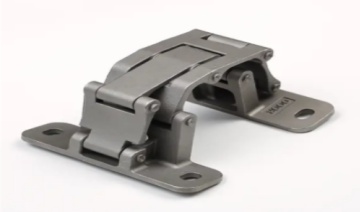
An invisible hinge is a type of hinge that is installed inside the door and frame so that it is hidden from view when the door is closed. Because the hinge mechanism is concealed within the structure, the outside of the door keeps a neat, uninterrupted appearance.
In simple terms:
A traditional hinge is visible from the outside
An invisible hinge is hidden inside the door system
This concealed design is why invisible hinges are often chosen for projects that require a modern, minimalist, or high-end look.
Although the hinge is hidden, its job is still the same: to connect the door to the frame and allow controlled opening and closing. The difference is in the mechanism and installation position.
An invisible hinge usually works through:
A concealed pivoting mechanism mounted inside the door edge and frame
Linked arms or pivot joints that fold and rotate as the door moves
A recessed installation so the hinge body sits inside cut-out sections of the door and frame
When the door closes, the hinge folds neatly into the recessed space, making it invisible from the outside. When the door opens, the internal mechanism extends and guides the door’s movement.
Because of this design, invisible hinges often require more precise installation than exposed hinges.
The main reason people choose invisible hinges is appearance, but there are several practical benefits as well.
Invisible hinges help create a smooth, uninterrupted surface. This is especially valuable in modern interiors where minimalism is important.
When the hinge is concealed, the door looks more integrated with the wall, cabinet, or furniture body. This gives the overall design a more sophisticated and custom-made feel.
Invisible hinges are commonly used on doors designed to blend into the wall or cabinet front. Visible hinges would break that effect.
Because the hinge is hidden inside, there is less visible metal on the outside surface, which supports a cleaner finish.
Invisible hinges are widely used in both furniture and architectural projects. The best application depends on door size, weight, and design goals.
Cabinets
Wardrobes
Storage doors
Kitchen cabinets
Display units
Flush interior doors
Hidden doors
Wall-integrated doors
Hotel and office decorative panels
High-end residential room doors
In these applications, invisible hinges are often chosen because they help the product look more seamless and modern.
To better understand the value of an invisible hinge, it helps to compare it with standard hinge types.
Feature | Invisible Hinge | Traditional Visible Hinge |
Appearance | Hidden when door is closed | Visible on the outside |
Design Style | Clean, modern, minimal | More conventional |
Installation | Requires recessed fitting | Usually simpler |
Visual Impact | Keeps door surface uninterrupted | Hardware remains visible |
Use Case | Flush doors, premium cabinets | General-purpose doors and cabinets |
This comparison shows why invisible hinges are often preferred in projects where aesthetics matter as much as functionality.
The material of an invisible hinge affects its strength, durability, and appearance over time. Common materials include:
Stainless steel for corrosion resistance and long-term strength
Zinc alloy for precise casting and smooth surface finish
Steel for load-bearing strength in more demanding applications
Aluminum alloy in lighter-duty or design-specific applications
Different materials are selected based on door weight, installation environment, and cost targets. For example, heavier doors often require stronger hinge bodies and higher load-bearing designs.
This is the biggest selling point. If a project aims for a hidden-door or clean-line concept, an invisible hinge is often the right choice.
A well-designed invisible hinge can provide stable and controlled opening, which improves the user’s day-to-day experience.
Invisible hinges fit well with current design trends that focus on simplicity, flush surfaces, and reduced visual clutter.
Because of their hidden design and installation precision, invisible hinges are often associated with high-quality products.
Invisible hinges offer strong design benefits, but selecting the right one requires careful attention.
Not all invisible hinges can carry the same load. Always match the hinge specification to the actual door or panel weight.
Because invisible hinges are recessed into the door edge, the door must have enough thickness to hold the hinge body securely.
Different hinge models provide different opening ranges. Make sure the hinge can support the movement your design requires.
Invisible hinges usually require precise cutting, alignment, and fixing. Poor installation can affect smooth movement and door alignment.
For humid or demanding environments, material selection becomes especially important. Stainless steel or corrosion-resistant finishes may be preferred.
Before placing an order, we usually recommend confirming these points:
Item to Confirm | Why It Matters |
Door size and weight | Ensures the hinge can support the load |
Door thickness | Confirms the hinge can be recessed properly |
Required opening angle | Affects usability and clearance |
Material preference | Impacts strength and corrosion resistance |
Quantity per door | Heavier doors may need more hinges |
Installation method | Helps ensure accurate fitting and long-term performance |
This helps avoid one of the most common problems in hardware purchasing: choosing a hinge that looks right in the catalog but does not match the actual project conditions.
Not true. While appearance is a major reason for choosing them, invisible hinges are also functional hardware designed for real use.
Not all concealed hinges are identical. Load capacity, material, size, opening range, and installation design can differ significantly.
They are common in high-end interiors, but they are also used in many standard residential and commercial projects where clean design is important.
An Invisible Hinge is a concealed hinge system designed to stay hidden when the door is closed, giving doors and cabinets a clean, modern, and more refined appearance. Its value comes from more than just looks. It also supports better integration with minimalist interiors, helps create flush and hidden-door designs, and offers a smoother, more premium user experience when properly selected and installed. For furniture makers, builders, designers, and hardware buyers, invisible hinges are a practical choice whenever the goal is to combine function with a more sophisticated finish.
At the same time, choosing the right invisible hinge means paying attention to door weight, thickness, material, and installation precision. A good hinge should not only disappear visually, but also perform reliably in daily use. If you are exploring invisible hinge options for cabinets, wardrobes, or interior doors, you can visit www.kaitegao.com to learn more. We are also happy to share product details and help you choose a suitable hinge solution based on your project requirements.
An invisible hinge is commonly used for cabinets, wardrobes, flush doors, and hidden doors where a clean, concealed hardware appearance is required.
That depends on the specific model and material. Some invisible hinges are designed for light furniture doors, while others can support heavier interior doors.
Yes. Invisible hinges are widely used on cabinets and furniture doors, especially in designs that aim for a smooth and modern appearance.
The main reason is design. An invisible hinge keeps the hardware hidden when the door is closed, helping create a cleaner and more premium look.