
T: +86-177-2730-8850
E: yashe2002@163.com
E: yashe2002@163.com
Third industrial estate.caobian guangfo road dali nanhai district foshan Guangdong North Road No.4


Views: 0 Author: Site Editor Publish Time: 2026-01-09 Origin: Site


Door handles are often one of the most-used elements of any home or business, yet they are frequently overlooked in terms of maintenance. Over time, door handles, like any mechanical hardware, can begin to show signs of wear and tear. They may become stiff, squeaky, or even fail to function properly if not maintained correctly. Proper maintenance and lubrication can significantly extend the lifespan of your door handles, ensuring smooth operation and preventing costly repairs or replacements.
Regular maintenance of door handles isn’t just about keeping them clean—it’s about preserving their functionality, enhancing their lifespan, and maintaining the overall aesthetic of your doors. Without proper care, door handles can deteriorate more quickly, leading to rust, corrosion, and more serious mechanical issues that may require costly replacements.
The mechanism inside a door handle is simple, but it is constantly subjected to stress as it is frequently operated. Dirt, dust, and moisture can accumulate inside the mechanism, and without proper lubrication, the internal parts may start to wear down, causing the handle to become difficult to turn, stick, or squeak.
When it comes to maintaining door handles, cleaning should always be the first step before any lubrication is applied. Over time, door handles can accumulate dirt, grime, and oils from regular use, which can impair their functionality and cause damage to the internal mechanisms. Regularly cleaning your door handles not only helps them operate smoothly but also extends their lifespan by preventing debris from causing mechanical issues or corrosion. Cleaning also ensures that any dirt or buildup that has collected on the surface doesn’t enter the mechanism, which could ultimately lead to malfunctions or even breakdowns.
Why Cleaning Is Important:
Cleaning removes harmful particles such as dust, dirt, oil, and even sticky residues that can cause friction in moving parts, leading to wear and tear. It also prevents the buildup of contaminants that could cause the handle to stick or become hard to turn. Additionally, cleaning improves the aesthetic appeal of the door handles, preserving their appearance and maintaining their shine, especially for polished or chrome handles.
Here are the steps to effectively clean your door handles and maintain their optimal condition:
How to Clean Door Handles:
Step 1: Wipe Down with a Soft Cloth
The first step in cleaning your door handle is to wipe down the surface with a soft cloth or microfiber towel. If your door handle is made of polished metal, such as brass, chrome, or stainless steel, use a non-abrasive cloth to avoid scratching the finish. Abrasive materials can leave permanent marks and affect the overall look of the handle.
Step 2: Use a Mild Soap and Water Solution for Stubborn Dirt
For more stubborn dirt or sticky residues, a mild soap and water solution is usually sufficient. Apply a small amount of the solution to your soft cloth, but never directly on the handle. Gently wipe the handle, being careful to clean all parts of the handle, especially areas around the pivot points or where dirt may accumulate. For handles with intricate designs or textured surfaces, a bit of extra attention may be needed to ensure all areas are cleaned properly.
Step 3: Dry the Handle Thoroughly
After cleaning, it’s essential to dry the handle completely. Moisture left on the surface of the door handle, particularly metal handles, can lead to rusting or corrosion over time. Use a dry, clean cloth to wipe the handle, making sure to remove any residual water or cleaner. Pay attention to the joints and areas around screws, as moisture can accumulate here and cause rusting or degradation of the hardware.
Step 4: Use a Soft Brush for Intricate Designs
Some door handles, especially those with detailed patterns or intricate grooves, may require a more thorough cleaning method. For these types of handles, use a soft brush (such as a toothbrush) to scrub away any dust, dirt, or grime from hard-to-reach areas. The brush can get into the grooves and crevices of the handle, ensuring a more thorough clean. This step is especially useful for textured handles or handles with mechanical elements where dirt can get trapped.
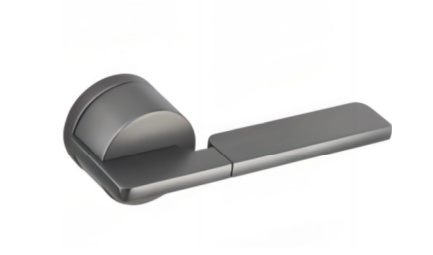
Lubrication is one of the most critical aspects of maintaining door handle hardware. It ensures that the internal moving parts of the handle are well-greased and can operate smoothly without friction. Over time, without proper lubrication, door handles can start to stiffen, squeak, or become difficult to turn. The goal is to apply a lubricant that reduces friction and prevents parts from grinding against each other, which can lead to wear and eventual malfunction.
Types of Lubricants:
Silicone Spray: A silicone-based lubricant is one of the best options for door handles. It provides a smooth, long-lasting lubrication that works on both metal and plastic parts. It is also water-resistant, making it ideal for outdoor or high-moisture environments.
Graphite Powder: For locks or door handles that experience heavy use, graphite powder is an excellent dry lubricant. It reduces friction without attracting dirt and dust. Graphite is ideal for metal components but may not work as well on plastic parts.
WD-40 or Multi-purpose Lubricants: WD-40 and other multi-purpose lubricants can work well for lubricating door handles, especially for squeaks. However, these types of lubricants are more likely to attract dust and dirt, so use them sparingly and clean the handle afterward to prevent buildup.
Lithium Grease: For more heavy-duty lubrication, lithium grease is an excellent choice. It’s ideal for door handles that are exposed to heavy use or outdoor elements, as it provides long-lasting protection against rust and corrosion.
How to Lubricate Door Handles:
Step 1: First, clean the door handle thoroughly to remove any dirt or grime, as previously described. This ensures that the lubricant won’t trap any debris inside the mechanism.
Step 2: Apply the lubricant to the moving parts of the handle mechanism. For locks and latches, spray the lubricant directly into the keyhole or latch opening. For handles with visible joints, spray or apply the lubricant to the hinge or pivot points.
Step 3: After applying the lubricant, move the door handle up and down or turn the knob several times to ensure that the lubricant reaches all parts of the mechanism.
Step 4: Wipe away any excess lubricant with a clean cloth to prevent it from attracting dirt.
Rust and corrosion are some of the most common issues that affect door handles, particularly those made from metal materials. Rust can form when moisture gets into the handle mechanism, leading to the degradation of metal parts and eventually causing the handle to seize up.
How to Prevent and Address Rust:
Inspect Regularly: Periodically check for signs of rust on your door handles, especially if they are used frequently or are exposed to outdoor conditions. If you notice small rust spots, they can often be cleaned off with a soft cloth and a rust remover solution.
Prevent Moisture Exposure: If your door handles are located in a high-moisture environment (e.g., exterior doors, bathrooms), consider applying a protective coating or using moisture-resistant lubricants, such as silicone spray.
Treat Rust Early: If you find rust on your door handles, use a wire brush or fine sandpaper to remove the rust from the surface. Once cleaned, apply a protective layer of lubricant or metal polish to prevent further corrosion.
Over time, screws and fasteners holding the door handle hardware together can become loose, especially if the handle is used frequently. Loose parts can cause the door handle to wobble, making it uncomfortable or difficult to operate.
How to Tighten and Secure Your Handle:
Step 1: Examine the screws and fasteners that hold the door handle in place. Use a screwdriver to check if any screws are loose.
Step 2: If you find loose screws, tighten them carefully to avoid damaging the door or handle. If any screws are missing, replace them with the correct size.
Step 3: For handles that have become misaligned or are squeaking due to movement, ensure that all parts are securely in place.
Maintaining and lubricating your door handle hardware is a simple but essential task that can greatly extend the life of your door handles and keep them functioning smoothly. Regular cleaning, proper lubrication, and attention to issues like rust and loose screws can prevent many common problems and reduce the need for costly repairs.
At www.kaitegao.com, we are committed to providing high-quality door hardware and components designed for durability and ease of use. Our range of products ensures that your doors operate smoothly and efficiently. If you’re looking for reliable and long-lasting door handles or hardware solutions, we invite you to learn more about our offerings. Feel free to contact www.kaitegao.com for more information or assistance in choosing the right hardware for your needs.