
T: +86-177-2730-8850
E: yashe2002@163.com
E: yashe2002@163.com
Third industrial estate.caobian guangfo road dali nanhai district foshan Guangdong North Road No.4


Views: 0 Author: Site Editor Publish Time: 2026-01-16 Origin: Site


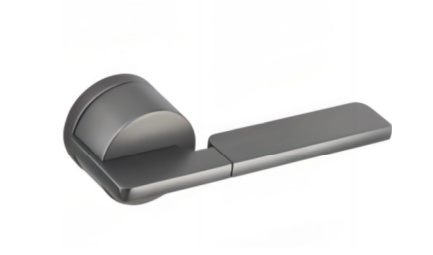
When it comes to the details of your home or business, something as seemingly small as the door handle can make a significant impact. While it may seem like just a functional item, the choice between interior and exterior door handles can affect both the aesthetic appeal and security of your property. Whether you’re designing a new space or renovating an existing one, understanding the difference between these two types of door handles is essential for choosing the right one for each door.
Interior door handles are designed primarily for use on internal doors within a home or commercial building. They are typically more focused on appearance and ease of use rather than security, as they don't face the same environmental challenges or security threats as exterior handles.
Interior door handles are generally designed with aesthetics and convenience in mind. These handles come in a variety of shapes, sizes, and finishes to complement the décor of your rooms. They are often found on bedroom doors, bathroom doors, closet doors, and other non-exterior doors.
The main function of interior handles is to allow easy access while also maintaining a sleek, elegant look. Common designs include levers, knobs, and pulls, each offering different degrees of ergonomics and style. Lever handles, for example, are easier to operate than traditional door knobs, making them a popular choice for interior doors, especially for those with limited mobility.
Interior door handles are made from a wide range of materials, depending on the desired aesthetic and price point. Some of the most common materials used for interior door handles include:
Brass: Known for its warmth and classic look, brass is a popular choice for interior handles. It also has antimicrobial properties, making it a practical option for areas like bathrooms or kitchens.
Stainless Steel: Offering a sleek, modern appearance, stainless steel is a durable and corrosion-resistant material that works well in contemporary settings.
Nickel: Often used in brushed or polished finishes, nickel door handles provide a more refined, sophisticated look for interior spaces.
Wood: Wooden door handles, often used in rustic or traditional décor, provide a natural and tactile feel.
Since interior handles aren’t exposed to the harsh elements, the focus is usually more on style, finish, and durability against everyday wear rather than extreme conditions.
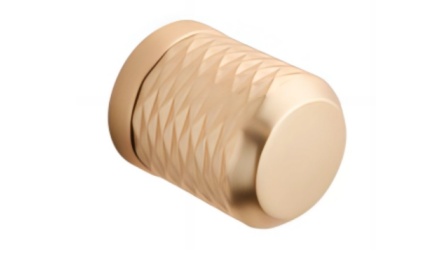
Exterior door handles are designed for doors that are exposed to the outside elements. These handles must be more durable, secure, and resistant to various environmental factors such as weather, temperature changes, and physical wear and tear.
The primary function of an exterior door handle is security. Whether it's the front door of your home or the main entry point of a business, exterior handles need to be robust, secure, and able to withstand the rigors of outdoor exposure.
Exterior door handles are often paired with deadbolts, key locks, or electronic entry systems to ensure that only authorized individuals can enter. These handles also need to provide a comfortable grip while remaining durable enough to handle repeated use.
Because exterior handles are exposed to the elements, the materials used must be resistant to corrosion, rust, and fading. Common materials for exterior door handles include:
Brass and Bronze: These metals are highly durable and have natural corrosion-resistant properties, making them ideal for use on exterior doors. Brass and bronze handles also age well, developing a patina that adds character over time.
Stainless Steel: Just like interior handles, stainless steel is a common choice for exterior handles due to its resistance to rust, corrosion, and staining. It’s also easy to maintain and clean, which is important for high-traffic areas like front doors.
Aluminum: Lightweight, strong, and resistant to rust, aluminum is often used in exterior door handles. It's a popular choice for modern, minimalistic homes and commercial buildings.
Zinc Alloy: Zinc alloys are often used for exterior handles because they are highly resistant to weather conditions and can be finished in a variety of ways, including chrome, matte, or polished.
These materials not only ensure the longevity of the handle but also contribute to the security of the door, which is why they are more robust and heavier than most interior door handles.
Now that we understand the functionality and materials used for both types of door handles, let's take a closer look at the key differences between interior and exterior door handles.
The most significant difference between interior and exterior door handles is their role in security. Exterior door handles are part of the locking system and are therefore designed to provide maximum security, whereas interior door handles don’t need to offer the same level of protection. While interior handles may still have basic locking mechanisms (like those on bathroom doors), exterior handles are typically part of a more complex locking system that includes deadbolts, keypads, or smart locks for added security.
Exterior door handles must withstand extreme weather conditions such as rain, snow, heat, and humidity, which can cause damage over time. For this reason, materials like stainless steel, brass, and bronze are commonly used for exterior handles as they are resistant to corrosion and can handle the stresses of outdoor exposure. Interior door handles, on the other hand, do not need to be weather-resistant and can be made from a broader range of materials, such as wood or nickel, which are more suited for indoor conditions.
While both types of handles are designed to complement the style of the property, interior door handles are more focused on aesthetics and comfort. Since these handles are used primarily for convenience, they come in a wider range of finishes, shapes, and sizes. In contrast, exterior door handles are focused more on function—ensuring security and weather resistance—though they are still designed to look appealing, especially at the entry points of a building.
Because exterior door handles are subjected to the elements, they require more maintenance to ensure they remain functional and secure. Regular maintenance may include lubricating locks, checking for rust, and replacing damaged parts. Interior door handles are less demanding in terms of upkeep, as they don’t face the same challenges posed by the outdoor environment. However, regular cleaning to maintain their appearance is still essential.
Choosing the right door handle depends on several factors, including the location of the door, the level of security required, and the style of the building. Here are some tips to help you make the right choice:
Consider the Material: For exterior handles, choose materials that are weather-resistant, such as stainless steel, brass, or bronze. For interior handles, opt for materials that suit your style and offer comfort, like nickel or wood.
Focus on Security: For exterior door handles, prioritize security features, such as deadbolts, electronic locks, or sturdy hardware. Interior handles don’t require the same level of security, but you can still look for handles with privacy locks for bedrooms or bathrooms.
Match the Style: Choose a handle that complements the overall design of the room or building. Modern properties may benefit from sleek, minimalist handles, while traditional homes may prefer ornate, vintage-style handles.
The difference between interior and exterior door handles is much more than just the material and design—it’s about function, security, durability, and how they fit within the overall design of a building. By understanding these distinctions, you can make informed decisions about which handles are best suited to your specific needs.
At www.kaitegao.com, we specialize in providing high-quality, durable, and stylish door hardware solutions for both interior and exterior doors. Whether you are looking for the perfect handle for your home, office, or commercial space, we have a wide range of products that can meet your needs. Our expert team is ready to assist you in selecting the right door handles to match your style, security requirements, and functionality needs.
If you’re looking for more information or need guidance in choosing the perfect door handles for your project, don’t hesitate to contact us at www.kaitegao.com. We’re here to help you enhance both the functionality and beauty of your space.
1. What is the main difference between interior and exterior door handles?
Interior door handles focus on comfort, design, and ease of use, while exterior door handles are designed for security, weather resistance, and durability.
2. Can I use the same type of door handle for both interior and exterior doors?
No, you should use different handles for interior and exterior doors. Exterior handles need to be more durable and secure to withstand outdoor conditions, while interior handles focus on aesthetics and comfort.
3. Are there specific materials recommended for exterior door handles?
Yes, materials like stainless steel, brass, and bronze are ideal for exterior door handles because they are resistant to corrosion and weather elements.
4. How often should I maintain exterior door handles?
Exterior door handles require regular maintenance, such as lubricating locks and checking for rust, to ensure they remain functional and secure in all weather conditions.