
T: +86-177-2730-8850
E: yashe2002@163.com
E: yashe2002@163.com
Third industrial estate.caobian guangfo road dali nanhai district foshan Guangdong North Road No.4


Views: 0 Author: Site Editor Publish Time: 2026-05-11 Origin: Site


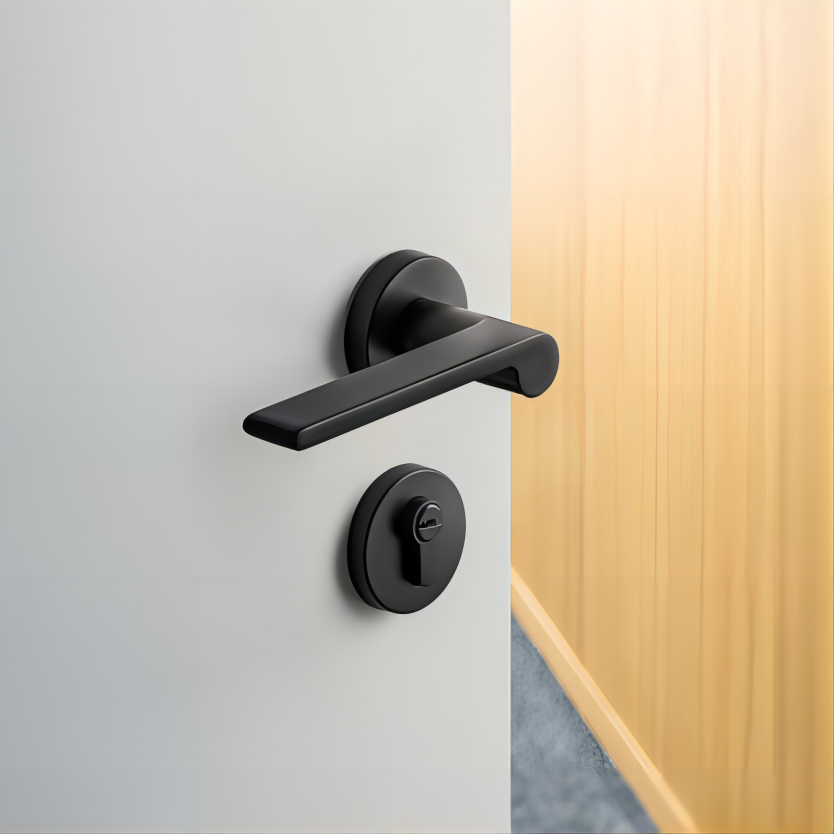
A loose door handle feels like a minor annoyance. You jiggle it, ignore it, and move on. But mechanical degradation rarely fixes itself. A wobbly lever often serves as a leading indicator of compromised access security or structural misalignment. Ignoring these early warning signs accelerates wear on internal lock mechanisms. You might soon face a complete lockout or require expensive emergency locksmith services.
We designed this diagnostic framework to help you quickly assess the situation. You will learn to determine whether a simple tension adjustment can solve your problem. We will also show you how to identify when your hardware has reached the end of its useful lifecycle. This guide focuses on long-term operational reliability rather than temporary, unreliable fixes. You will master standard repair protocols, troubleshoot complex concealed hardware, and evaluate replacement options based on lifecycle costs.
Tightening a door handle is a fast, sub-one-minute process requiring manual hand tools; using power drills introduces a high risk of stripped threads.
Concealed mechanisms require specific sequencing (handle removal prior to faceplate removal) to avoid permanent cosmetic and mechanical damage.
Chronic loosening often points to terminal hardware failure (e.g., stripped internal spindles or failing latch mechanisms), shifting the decision from maintenance to replacement.
When replacing, material selection directly dictates Total Cost of Ownership (TCO) and maintenance frequency.
Before grabbing a screwdriver, you must diagnose the specific physical symptoms of your hardware. Different types of looseness point to distinct mechanical failures. Lateral wobble usually means the base mounting screws have lost tension. Drooping levers indicate a failure of the internal return spring. Audible clicking or grinding sounds during operation suggest the internal spindle is stripping or the latch mechanism lacks lubrication.
Understanding these symptoms saves you time. You avoid tearing down a lockset unnecessarily. Instead, you map the physical feedback directly to its mechanical root cause. High-traffic doors naturally vibrate. This vibration causes threaded fasteners to back out over time. Identifying this early allows for a simple, non-invasive repair.
A successful repair does not just mean the handle stays attached. The ultimate goal is restoring zero-play alignment. The lever or knob should sit perfectly flush against the door surface. It must actuate smoothly and return to a horizontal resting position immediately after release.
You must achieve this without over-torquing the base components. Over-tightening crushes the door material. It binds the internal latch, causing the door to stick. Best practices dictate applying firm, manual pressure until the screw seats snugly. Never force it past natural resistance.
You must differentiate between normal tension loss and structural failure. Normal tension loss happens because doors slam and building frames vibrate. You can easily fix this with a screwdriver. Structural failure requires a completely different approach.
If you encounter stripped mounting posts, the screws will spin endlessly without biting. If the internal springs are warped, tightening the base will not fix a drooping lever. Sometimes, the door frame itself shifts due to foundation settling. This binds the latch against the strike plate. If you tighten a handle repeatedly and it loosens within days, you are facing a terminal issue. The internal threads or the spindle housing have likely failed.
Manufacturers design locksets using different architectures. Your tensioning methodology must match the specific hardware design you possess.
Exposed Fasteners
This represents the easiest category. You will see two screws on the interior faceplate. Direct-access tightening logic applies here. Follow these steps for best results:
Open the door to access both sides safely.
Hold the exterior knob firmly to keep the internal spindle aligned.
Use a manual Phillips-head screwdriver to turn the interior screws clockwise.
Alternate between the top and bottom screws to ensure even pressure.
Concealed Set Screws
Modern and high-end hardware hides ugly screws for aesthetic reasons. Look closely at the neck of the lever or knob. You will usually find a small detent hole or a bottom-mounted grub screw. You need precise tools here. A 3/32” Allen key or a sharp awl is essential. Depress the hidden pin or loosen the grub screw. Slide the handle off the spindle. This action exposes the hidden baseplate where the actual mounting screws live.
Threaded Disks & Friction Flanges
Some decorative handles use rosettes or twist-off faceplates. These threaded disks screw directly onto the underlying mounting plate. Grasp the edge of the faceplate and twist counter-clockwise. Other designs use square flanges reliant on internal rubber washers. These require a firm pull while wiggling them side to side. Once you bypass the friction flange, you can access and tighten the structural fasteners.
Security design dictates a strict rule. Functional disassembly points always sit on the interior side of the door. If you try to disassemble a lock from the outside, you will likely destroy it. Manufacturers engineer exterior plates to resist tampering.
We must also warn against the power tool trap. An impact driver or power drill feels efficient. However, it aggressively accelerates wear. Power tools easily strip the soft threading inside lock chassis posts. Stripping these threads instantly ruins the hardware and voids product warranties. Always rely on manual hand tools for door hardware adjustments.
Many users encounter a frustrating roadblock during maintenance. They locate a concealed lockset, remove the handle, and then try to pry the cover plate. Often, the plate refuses to budge. The most common failure point is attempting to pry a stuck cover plate without first detaching the primary lever.
The sequence matters. You must remove the handle first. Next, remove the faceplate. Finally, tighten the internal screws. If you reverse this sequence, the flared base of the handle traps the faceplate. Forcing it will bend the delicate metal faceplate permanently.
Cover plates often sit flush against the door. Over time, paint, humidity, and tight manufacturing tolerances fuse them together. Using a standard screwdriver to pry them off usually gouges the wood veneer or chips the paint.
Introduce safe-prying techniques to break these tight tolerances. The "butter knife and see-saw" leverage method works beautifully. Slide a wide, flat butter knife behind the faceplate. Use it as a gentle lever. Distribute the pressure over a wide area. This breaks the friction seal without damaging the door surface. Work your way around the perimeter slowly.
Environmental factors complicate maintenance. Bathrooms endure high humidity. Exterior doors face rain and fluctuating temperatures. This localized moisture causes galvanic corrosion, fusing base plates to their mounting posts.
Mechanical force alone will snap corroded components. Before you twist or pry, assess the corrosion level. If you see white powder or green oxidation, stop. Apply a penetrating lubricant designed for hardware. Let it soak into the threads for ten minutes. This chemical intervention breaks the corrosive bond, allowing you to tighten or remove the hardware safely.
Maintenance carries hidden costs. You might think tightening a screw is free. However, if a door handle requires retightening multiple times a quarter, the situation changes. You waste labor hours. You also introduce a significant security risk. A handle that constantly loosens can fail during an emergency, preventing egress. It can also fail to secure an entry point, inviting unauthorized access.
Evaluate the Total Cost of Ownership (TCO). The cumulative frustration, labor, and risk eventually outweigh the cost of a hardware upgrade. Smart facilities managers replace chronic problem hardware rather than nursing it along.
How do you know when a handle is truly dead? We rely on a strict set of lifecycle indicators. Use the following diagnostic table to determine your next move.
Physical Symptom | Mechanical Diagnosis | Recommended Action |
|---|---|---|
Screws loosen every 6-12 months | Normal vibrational wear | Tighten manually; apply thread-locker |
Lever sags below horizontal line | Internal spring fatigue/breakage | Replace entire lockset |
Screws spin but do not tighten | Stripped internal mounting posts | Replace hardware immediately |
Latch binds despite tight handle | Foundation settling / frame warp | Realign strike plate; check hinges |
When you determine replacement is necessary, consider upgrading your access strategy. Legacy mechanical locks serve basic needs, but they require ongoing physical maintenance. Transitioning to a maintenance-free, high-security smart lock ecosystem makes sense for critical entry points.
Smart locks remove the mechanical stress associated with traditional key turning. They offer biometric access, audit trails, and automated locking. Upgrading shifts your focus from hardware maintenance to digital access management, drastically reducing long-term physical wear.
If terminal failure is detected, you must shortlist a replacement Door Handle based on specific traffic and environmental demands. Not all metals perform equally. We compare replacement options based on durability, environmental resistance, and upfront versus long-term costs. Your material selection dictates how soon you will be repeating this maintenance cycle.
Zinc Alloy
A Zinc Alloy Door Handle serves as the baseline standard in residential construction. It remains highly cost-effective. Manufacturers love zinc because it boasts high moldability. This allows for complex, intricate aesthetic designs without high manufacturing costs.
We recommend zinc hardware for low-to-medium traffic interior doors, such as bedroom or closet doors. It offers a lower upfront cost. However, be aware of its limitations. Zinc has a shorter lifespan under heavy mechanical abuse. It can become brittle over time, especially if exposed to extreme temperature fluctuations. If you install zinc on a high-traffic entryway, expect to replace it sooner than harder metals.
Stainless Steel
When you need ultimate reliability, a Stainless Steel Door Handle is the durability and compliance standard. This material offers extremely high resistance to corrosion, moisture, and mechanical stress. It does not rust, flake, or warp easily.
Stainless steel is ideal for exterior access points, commercial use, and high-traffic environments like schools or hospitals. While the initial cost is higher than zinc, it provides excellent TCO due to near-zero degradation. You install it once, and it endures decades of heavy pulling and pushing without structural compromise.
Brass
A Brass Door Handle represents the premium architectural choice. Historically, brass has been favored for its natural antimicrobial properties. It actively destroys certain bacteria on its surface, making it excellent for public buildings. It also offers extreme longevity.
Brass requires the highest initial capital investment. However, it offers decades of lifecycle viability. Instead of structural failure, brass undergoes aesthetic aging. It develops a rich, unique patina over time. If you prefer a shiny finish, you can polish it repeatedly without degrading the core metal. It remains the top choice for luxury homes and historic restorations.
Material Comparison Chart
Material Type | Upfront Cost | Durability Profile | Corrosion Resistance | Best Application |
|---|---|---|---|---|
Zinc Alloy | Low | Moderate | Fair | Interior Residential (Bedrooms/Closets) |
Stainless Steel | Moderate | Extremely High | Excellent | Exterior Entryways & Commercial Doors |
Solid Brass | High | Very High | Excellent | Luxury Residential & Historic Architectural |
Fixing a loose handle comes down to simple decision logic. Diagnose the mechanism first by identifying exposed screws or locating hidden detents. Apply proper manual torque, completely avoiding destructive power tools. Reassemble the hardware and test the latch alignment.
Once repaired, monitor the hardware for recurrence. If it loosens again quickly, accept the terminal failure. We advise you to audit your current hardware state immediately. Check handles on primary entryways, bathrooms, and high-traffic corridors. If they fail the diagnostic tests, shortlist a replacement based on the specific traffic and environmental demands of your building. Investing in the right material upfront eliminates years of frustrating maintenance.
A: You are likely trapped by the handle-blocking sequence or friction-fit rubber gaskets. You must completely detach the main lever or knob from the spindle first. Once the handle is off, the faceplate can slide over the spindle. If it still sticks, paint or tight rubber washers are holding it. Use a butter knife to gently pry the edges without damaging the door.
A: No. We strongly advise against using power tools for this task. Electric drills deliver excessive torque rapidly. Lockset mounting posts use soft metal threads. A drill will instantly over-torque the screws, stripping the internal threads. Once stripped, the hardware is ruined and must be replaced. Always use a manual hand screwdriver.
A: Modern hardware hides screws for security and aesthetics. Look underneath the neck of the lever. You will find a small spring-loaded detent hole or a tiny grub screw. Use an awl to press the detent or a 3/32” Allen key to loosen the grub screw. Pull the lever off to reveal the concealed mounting plate.
A: Yes. While occasional loosening is normal surface wear, chronic loosening indicates deeper issues. It usually means the internal mortise is failing, the spindle threads are stripped, or the door foundation has shifted. If you tighten a handle and it wobbles again within weeks, the internal structural integrity is compromised. You should replace the lockset.