
T: +86-177-2730-8850
E: yashe2002@163.com
E: yashe2002@163.com
Third industrial estate.caobian guangfo road dali nanhai district foshan Guangdong North Road No.4


Views: 0 Author: Site Editor Publish Time: 2026-05-01 Origin: Site


A flush, hardware-free aesthetic elevates modern architecture to a completely new level. Achieving this seamless look requires rigorous technical precision during daily construction. It is not merely a quick aesthetic upgrade. The installation process acts as a critical evaluation factor long before purchasing materials. Tooling choices, required labor time, and specific hardware selection directly dictate total project feasibility. You cannot afford to underestimate the preparation phase.
Successful implementation relies entirely on precision routing techniques. You must use accurate templates to guide your tools. Installers also need a deep understanding of hardware load constraints. We will explore how to execute this flawless finish efficiently. You will learn to mitigate risks and avoid costly slab damage. Proper planning transforms a daunting mechanical task into a highly repeatable workflow.
Achieving a zero-tolerance flush fit requires specialized routing jigs; attempting freehand installation significantly increases the risk of ruined door slabs.
Total Cost of Ownership (TCO) must account for necessary proprietary installation templates and high-quality router bits, not just the hinge hardware.
Selecting 3D-adjustable invisible hinges drastically reduces post-installation labor and maintenance compared to static models.
Precise calculation of door thickness, weight, and hinge placement is non-negotiable for long-term structural integrity.
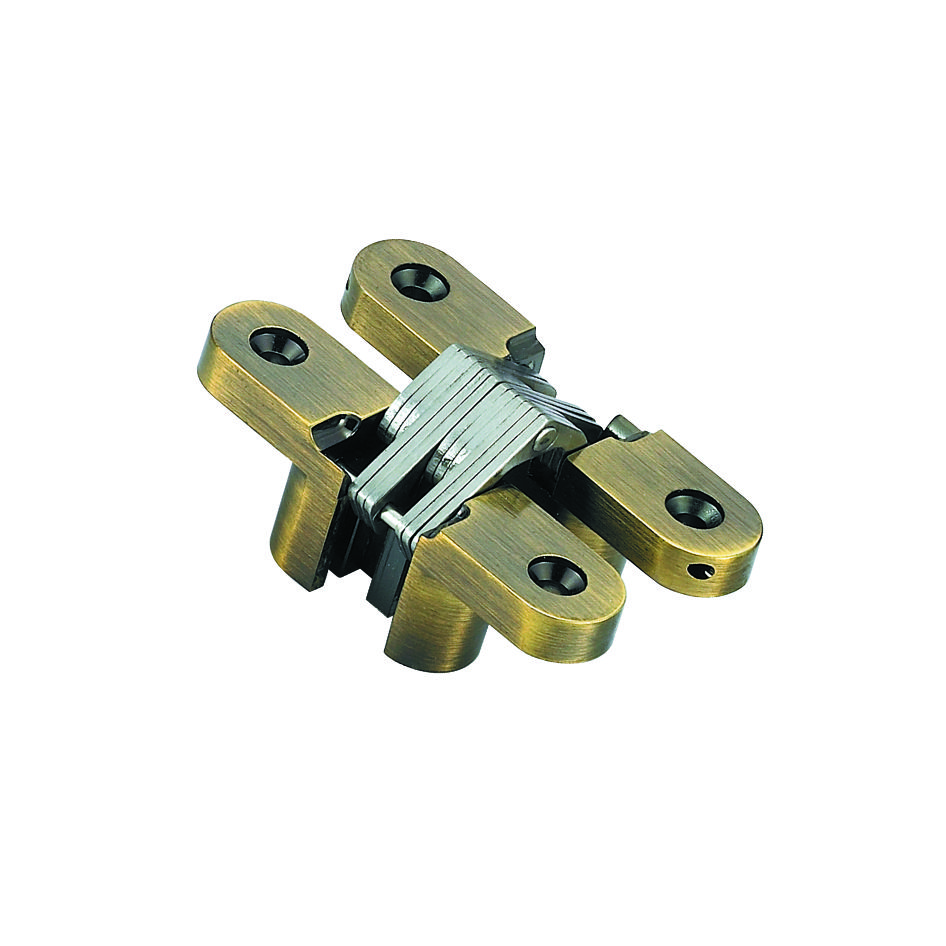
Evaluating the true cost of concealed hardware requires looking beyond the initial purchase price. You must carefully contrast the upfront cost of premium hardware against the substantial labor hours required for installation. Total Cost of Ownership (TCO) acts as your primary financial driver here. Standard installations demand the mandatory purchase of brand-specific router templates. You cannot easily substitute these jigs across different brands. Furthermore, you must acquire specialized plunge router bits to clear the mortises efficiently. These tooling expenses add up quickly for small operations. If you neglect these required tool investments, your labor costs will ultimately skyrocket due to excessive manual corrections.
Scalability dictates your approach to tooling and workflow. We often measure success using a strict time-per-door metric. Installing a single set of Hinges remains a highly manageable task for one carpenter. However, rolling out fifty or more doors on a commercial job site changes the required methodology entirely. High-volume installations require a deeply standardized workflow to stay profitable. You must build dedicated workstations for door preparation. Heavy-duty aluminum jigs become essential to maintain tight profit margins. Flimsy plastic templates degrade too quickly under repetitive production strain.
You should conduct a brutal skill and risk assessment before cutting any wood. Let us highlight the actual cost of failure. Misrouting a high-end solid core door results in massively expensive material waste. Custom veneer doors are particularly unforgiving if you slip with a router. Keep in mind that concealed hardware offers absolutely zero margin for error regarding mortise depth. A pocket routed too deep ruins the slab's structural integrity immediately. You must train your crew thoroughly before allowing them to handle the final finish materials.
Selecting the correct mechanism ultimately dictates long-term performance and client satisfaction. You should closely evaluate the expected return on investment when considering 3D adjustable models. Static hidden models certainly present a much lower upfront unit cost. However, they lack post-installation flexibility. By contrast, 3D adjustable units allow for precise vertical, horizontal, and depth corrections after you hang the door. This adjustability saves countless hours of frustrating micro-adjustments on site. It actively prevents severe door binding as building frames settle over time.
Hinge longevity relies heavily on strict mathematical calculations. You must clearly outline the success criteria for load capacity before ordering. Always match your selected hardware to the exact door weight and overall slab thickness. Installers must apply standardized spacing formulas to guarantee long-term stability. For instance, you should always center the middle hinge closer to the top hinge rather than placing it dead center. This specific placement mitigates the dangerous rotational pull generated by heavy solid doors. Improper spacing forces the top hardware to bear too much leverage, leading to eventual mechanical failure.
Commercial applications introduce strict regulatory hurdles regarding fire safety. You must verify that your selected hardware maintains the door's specific fire-rated integrity. Certain hidden models integrate intumescent pads to block flame spread. This compliance requirement heavily impacts your final procurement decisions. Do not order bulk quantities until you clear the hardware specifications with local building inspectors.
Feature Criteria | 3D Adjustable Models | Static Models |
|---|---|---|
Initial Unit Cost | Higher premium per unit | Lower initial material cost |
Install Margin of Error | High (Accommodates slight routing drift) | Zero (Requires perfect absolute precision) |
Post-Install Labor | Minimal (Adjustments take minutes via screws) | Intensive (Requires removing the door to shim) |
Long-Term Maintenance | Easy seasonal alignment capability | Prone to permanent binding upon building settling |
Perfect mortises require a highly repeatable and standardized workflow. First, establish a strict process for template alignment across all workstations. You must accurately mirror the exact mortise locations on both the door slab edge and the door jamb. Absolute center-line alignment remains non-negotiable for this task. Even a single millimeter of drift causes the mechanisms to bind upon closing. We recommend using heavy-duty marking gauges to scribe these critical center lines permanently into the wood grain.
Execution requires patience during the staged plunge routing phase. Never attempt to clear the entire mortise depth in a single aggressive cut. We strongly recommend making multiple shallow passes instead. Shallow routing passes actively prevent aggressive wood tear-out on delicate faces. They also reduce costly bit wear significantly over a long shift. Most importantly, staged routing ensures a perfectly clean mortise floor. You need an incredibly flat floor to guarantee stable, parallel hardware seating.
Your fastening protocol acts as the final critical step in this workflow. Always use specialized self-centering drill bits for your pilot holes. If you drill pilot holes slightly off-center, the tapered screw heads will physically pull the hardware sideways. Misaligned screws easily drag the heavy metal bodies off-center during final tightening. This tiny error instantly negates all the precision routing work you just completed.
Mark the center lines on the door edge and door jamb simultaneously to ensure perfect parallel alignment.
Clamp the proprietary routing jig securely over the center marks, verifying it cannot shift under heavy vibration.
Set the plunge router depth stop carefully according to the exact hardware manufacturer specifications.
Route the outer mortise outline first, then systematically clear the inner center material in shallow stages.
Vacuum all wood dust from the pocket before drilling perfectly plumb pilot holes using a self-centering bit.
Working with delicate finishes demands proactive and intelligent risk mitigation. You must prevent expensive veneer tear-out systematically. We advise scoring the entire mortise perimeter deeply with a sharp marking knife before ever activating the router. This severed grain stops tearing forces from traveling past the intended pocket edge. Additionally, we highly recommend using up-cut or down-cut spiral bits based on your specific material. Down-cut bits push delicate wood fibers downward, leaving exceptionally crisp, splinter-free top edges.
Mortise depth errors happen occasionally even under strict supervision. You must address these mistakes calmly and structurally. If a technician routes a mortise too deep, you must insert thin hardwood shims underneath the mechanism. Never use soft cardboard or folded paper to build up the floor. Hardwood provides a solid, incompressible base for heavy metal. Conversely, routing a pocket too shallow prevents the door from closing completely flush. You have to reset the depth stop and re-route the pocket to the exact specified depth.
Correcting door sag requires patience and a logical approach. Follow a strict troubleshooting sequence for doors that bind upon closing. You should utilize the 3D adjustment screws systematically. Adjust the vertical axis first to ensure the bottom edge clears the finished floor perfectly. Adjust the horizontal axis next to fix uneven gaps along the jamb edge. Finally, tweak the depth axis to ensure the door face sits perfectly flush with the wall. Turn these screws gently. Aggressive torquing strips the internal hardware threads easily.
Using dull or inappropriate router bits which aggressively tear fragile surface veneers.
Over-torquing the delicate 3D adjustment screws and permanently stripping the internal alignment threads.
Routing completely freehand without clamping a sturdy aluminum template jig to the slab.
Ignoring manufacturer weight limits when calculating hardware quantities for oversized solid wood doors.
Finalizing your material purchase requires strict, uncompromising procurement logic. You must define clear criteria for finalizing your hardware shortlist. Evaluate the manufacturer warranty terms thoroughly before committing bulk funds. Verify the immediate availability of exact-match router templates from the supplier. Compare the specific adjustability limits and visually confirm the matching finishes. You want a unified, intentional aesthetic across the entire architectural space.
We strongly recommend bundling your tools and materials during the ordering phase. Purchase your Invisible Hinge units, proprietary router templates, and specified fasteners as a single, closed ecosystem. Buying these items together guarantees absolute mechanical compatibility. Mismatched aftermarket jigs and off-brand hardware often create immediate installation disasters on the job site. Protect your labor margins by utilizing authorized, system-matched tooling.
Take decisive next-step actions to move your project forward today. Direct your purchasing team to compare specific technical specification sheets closely. They must accurately calculate the required hinge count based on exact door dimensions and expected slab weight. Do not guess these metrics. If you plan a large commercial rollout, consult directly with a dedicated hardware specialist. They analyze complex load variables and optimize bulk delivery schedules seamlessly.
Installing concealed architectural hardware is fundamentally an exercise in meticulous precision and careful prep-work. It never requires brute force or aggressive carpentry tactics. Investing early in exact-match templates and premium adjustable hardware yields the highest possible return on investment. This intelligent strategy actively minimizes costly installation errors and dramatically reduces future maintenance requests from clients.
Take proactive action today to ensure your next architectural project succeeds flawlessly. Browse high-capacity adjustable hardware models to match your design intent. Download a comprehensive weight-calculation matrix to verify your engineering specifications securely. If you are managing a large-scale development, contact a dedicated manufacturer representative for accurate bulk project quoting and logistics support.
A: Most standard concealed models require a minimum door thickness ranging from 1-1/8 to 1-3/8 inches. Thinner door profiles lack the necessary structural volume to safely house deep mortise pockets. Removing too much core material from a very thin slab inherently compromises the door's physical integrity. This lack of material eventually leads to stress cracking or warping near the mortise site.
A: Attempting a freehand installation by chiseling or unguided routing poses severe operational risks. Proprietary routing jigs remain the standard industry practice for achieving reliable, repeatable outcomes. A sturdy jig ensures perfectly vertical pocket sidewalls and flat mortise floors. Without one, you heavily increase the likelihood of permanently ruining an expensive custom door slab.
A: High-quality concealed models generally require very minimal maintenance over their lifespan. Many modern units feature internal self-lubricating washers to prevent friction wear. However, heavy wooden doors inevitably swell and shrink alongside seasonal humidity changes. Choosing a 3D-adjustable model makes realigning the door significantly easier and faster compared to attempting adjustments on static standard hardware.
A: Yes, they perform exceptionally well on heavy solid-core and oversized custom wood doors. You must ensure structural viability during the early procurement phase. Specify heavy-duty, load-rated models designed specifically for commercial weight classes. Additionally, you must calculate the correct quantity and apply proper spacing formulas to distribute the massive physical load evenly across the frame.